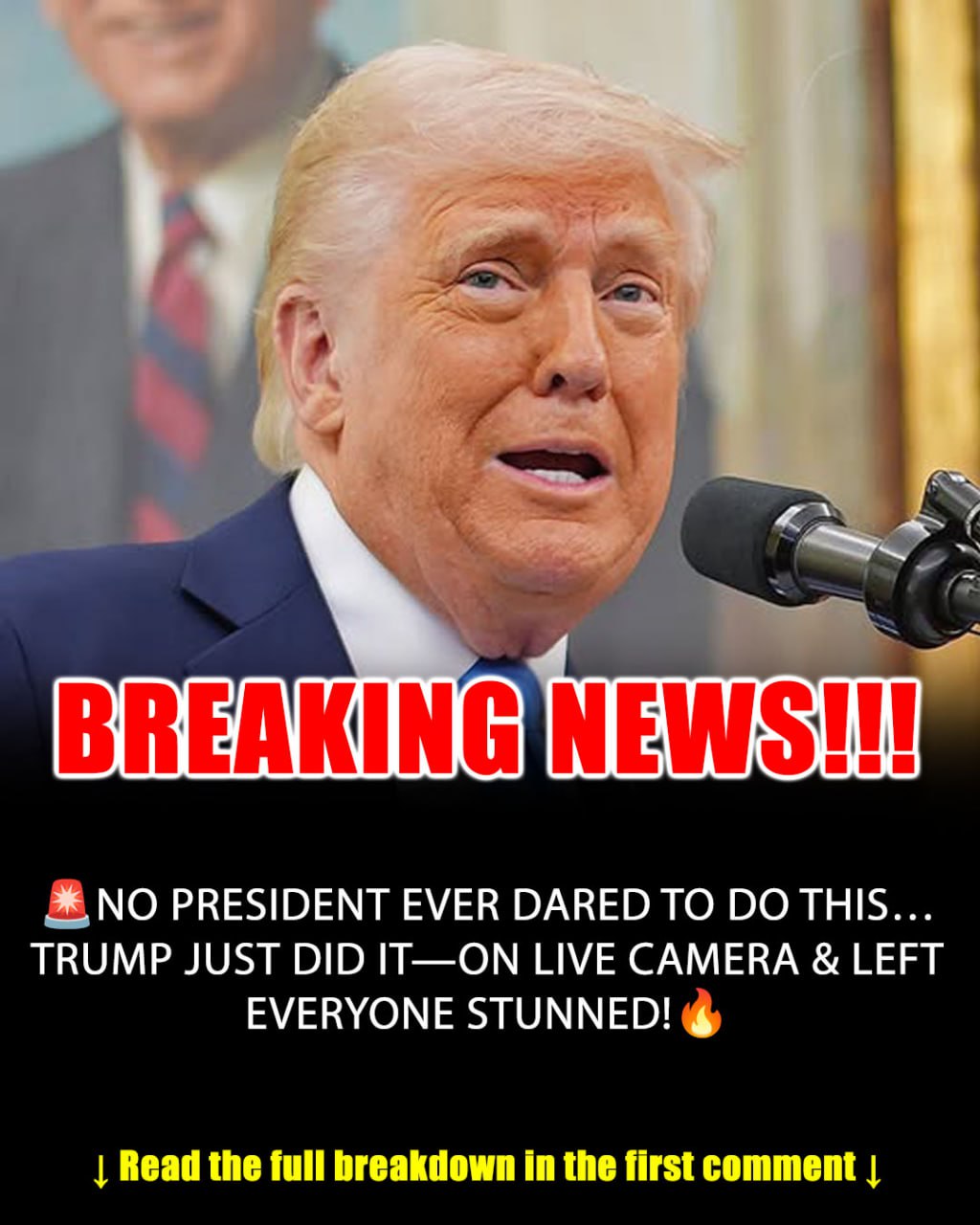
In a moment that’s now sending shockwaves through press freedom advocates, Donald Trump appeared before reporters this week and made a chilling declaration: “Changes are coming.” He wasn’t talking about foreign policy or the economy — he was talking about the media.
Trump’s remarks came in response to what he called “unfair” coverage of his botched military strike decision involving Iran, a fiasco that was widely covered by outlets including CNN and The New York Times. Instead of acknowledging public scrutiny, Trump launched into a tirade — but this time, it ended with a threat. “The press has been out of control,” he said. “That’s going to change.”
Media watchdog groups like Committee to Protect Journalists (CPJ) immediately flagged the statement as a dangerous escalation. “It’s one thing to complain about coverage,” one analyst wrote, “It’s another to promise retaliation.”Critics argue this moment marks a major red line: a U.S. president actively targeting the First Amendment. Whether it’s bluster or a serious shift in policy, one thing is clear — it’s no longer just talk. He said it. On camera. With intent.
How should a free press respond when power threatens back?