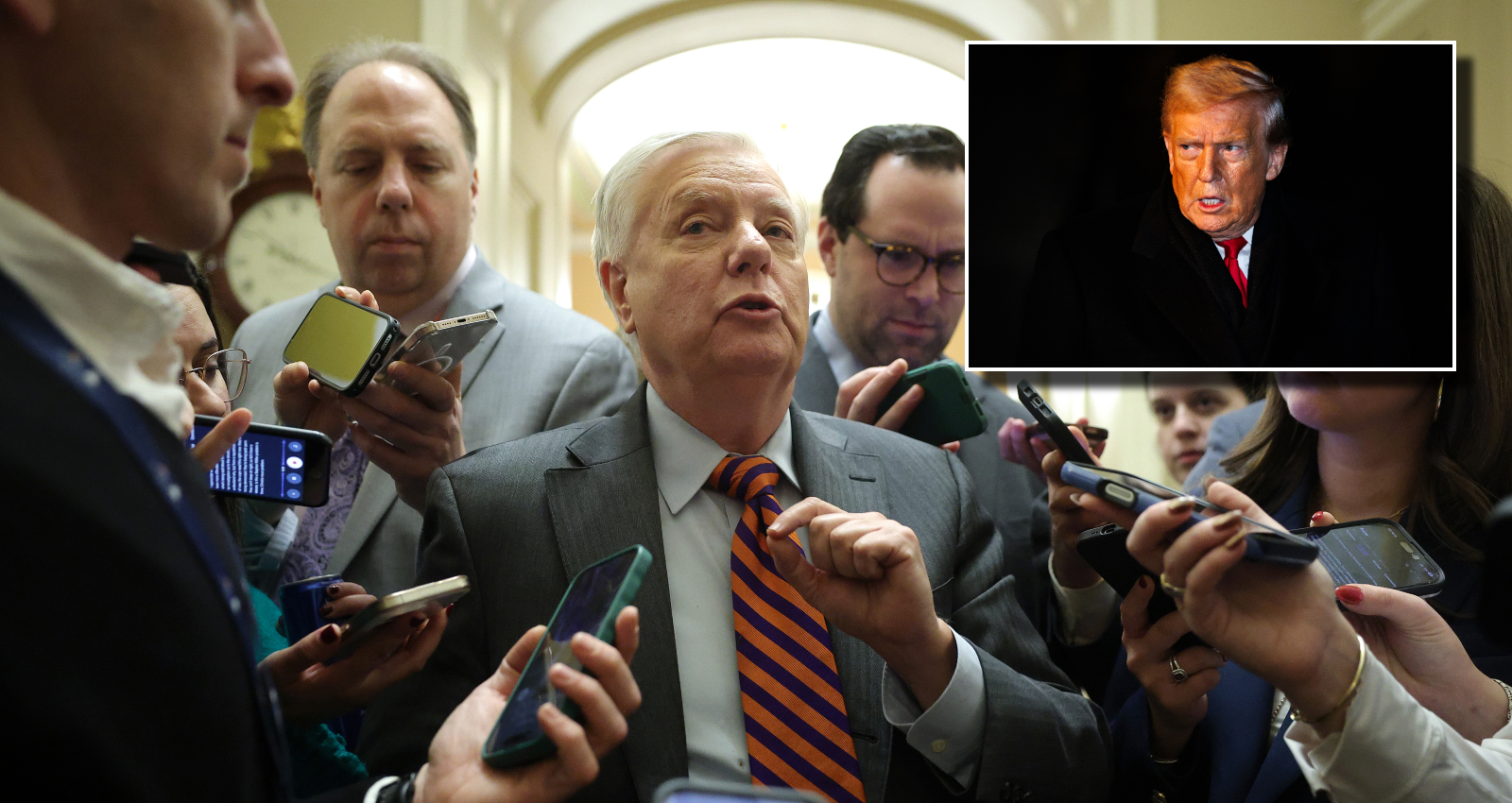
Republican Sen. Lindsey Graham on Friday threatened to block a government funding package supported by President Donald Trump and Senate Democrats — raising the possibility of a partial federal shutdown as lawmakers work against a looming deadline.
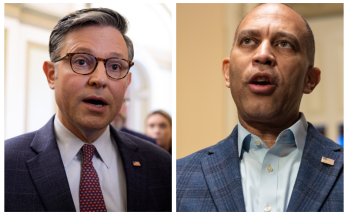
Graham said he was frustrated by language in a House-backed version of the funding bill that would repeal a provision allowing senators whose phone records were subpoenaed in the “Arctic Frost” investigation to sue for $500,000 in damages. The South Carolina Republican criticized Speaker Mike Johnson (R-La.), saying the House leadership failed to consult him on changes to the bill backed by Trump and warning he would not “forget” the move.
“You could have called me about the $500,000,” Graham said. “I’d be glad to work with you. You jammed me, Speaker Johnson. I won’t forget this. I got a lot of good friends in the House. If you think I’m going to give up on this, you really don’t know me.”
Graham said discussions with the White House had become tense, and indicated he was prepared to withhold support for the broader package unless there were votes on additional measures, including expanding eligibility for those affected by past federal investigations and legislation tied to sanctuary city cooperation.
“I’ve been told the White House doesn’t like this, and I told the White House last night, ‘I don’t care if you like it or not.’ I literally texted my friends at the White House, ‘If I were you, I would not call me tonight,’” he said.
“And they didn’t call me,” he continued. “I don’t work for the White House. They’re my political allies. I’m close to President Trump. I don’t work for him.”
Lawmakers are negotiating a series of spending bills designed to fund the federal government before the current continuing resolution expires at midnight Friday; disagreements among Republicans in the Senate over provisions and priorities have slowed progress.
Efforts by Senate leaders to resolve objections and move the funding package forward continued into Friday; several lawmakers also sought amendment votes on other provisions as part of negotiations.
Ultimately, the Senate passed an amended spending package that replaces a full year of Department of Homeland Security funding with a two-week stopgap to give lawmakers more time to resolve disputes over immigration enforcement.
The broader legislation still provides full-year funding for the departments of Defense, Education, Health and Human Services, Housing and Urban Development, Labor, State, Transportation, and Treasury, nearly completing the delayed fiscal 2026 appropriations process, The Washington Times reported.
The measure passed the Senate by a 71 to 29 vote just hours before a midnight deadline. The federal government will still shut down through at least Monday, when the House returns to Washington and is expected to vote on the revised package.
Lawmakers say the impact of the funding lapse will be minimal if the House acts quickly.
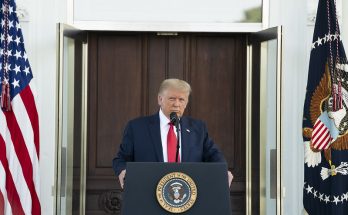
President Donald Trump said he backed the agreement because he wanted to avoid “another long and damaging government shutdown” that could slow economic growth.
“Hopefully, both Republicans and Democrats will give a very much needed Bipartisan ‘YES’ Vote,” Trump wrote on social media Thursday evening after the deal was reached.
Democratic leaders had previously supported a full-year DHS funding bill, but withdrew their backing after federal agents fatally shot U.S. citizen protester Alex Pretti in Minneapolis last weekend.
Democrats are now seeking to renegotiate the bill to add guardrails on the Trump administration’s deportation force and hold agents accountable for the use of unnecessary force.
Their demands include ending roving immigration enforcement patrols, requiring judicial warrants, mandating that agents unmask, wear body cameras, and carry identification.
Republicans are pushing competing priorities, including measures to crack down on sanctuary city policies that allow state and local governments to impede federal immigration enforcement.