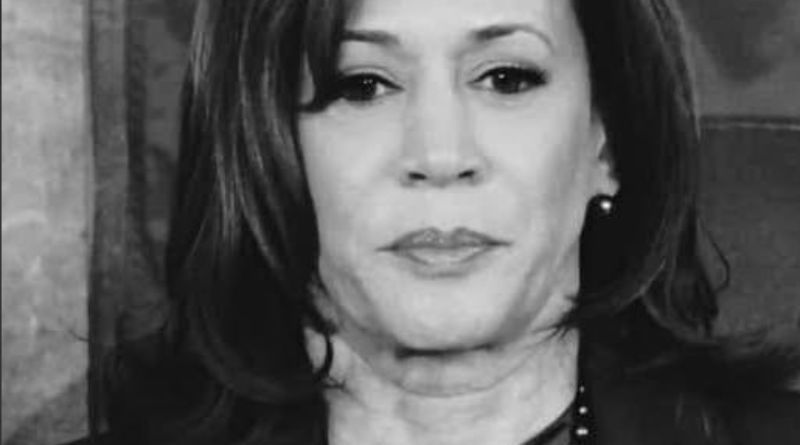
Kamala Harris’ post-election moment was raw enough that even her closest allies struggled to spin it. After her loss to President-elect Donald Trump, the noise around her campaign split into two camps: those insisting Joe Biden’s late withdrawal wrecked her chances, and those who say that excuse is nothing but denial dressed up as analysis. The truth, according to several former staffers, is far less flattering—they argue the campaign simply misread the landscape from day one.
Harris stepped in late, sure, but her team acted like the country was waiting for her to arrive. They treated her candidacy as a continuation of an already-established Democratic machine instead of a fresh race that needed fresh strategy. Once the numbers tightened and the momentum slipped, the internal blame game started. But for the people who were actually inside the operation, the idea that Biden sinking the ship is “detached from reality.” Their point is blunt: the campaign lost because it never understood the voters it needed most.
Willie Brown, former San Francisco mayor and someone who knew Harris both personally and politically dating back to the 1990s, didn’t sugarcoat anything. His criticism cut with the precision of someone who’s watched a thousand campaigns rise and fall. According to him, the team didn’t just make tactical mistakes—they fundamentally failed to learn from history. He pointed straight at the Democrats’ loss with Hillary Clinton and said the campaign refused to answer the hard question: Is the country actually ready to elect a woman president? Instead, they powered forward as if enthusiasm alone could bulldoze reality.
“Not one of them got it right,” Brown said, frustrated. “They didn’t go back and ask themselves why Hillary didn’t succeed. They didn’t ask the uncomfortable questions. They didn’t question the assumptions. And because of that, they walked straight into the same wall.”
It wasn’t said with malice. It was said with the resignation of someone who’d seen the warning signs long before election night lit them up in neon.
Inside the Harris operation, there was confidence—almost too much of it. That confidence created blind spots. They overestimated suburban enthusiasm. They underestimated working-class frustration. They thought they had a firm grip on the coalition Biden held together four years earlier, but support slipped quietly in areas they barely monitored. Staffers later admitted that the team clung too tightly to optimism and too loosely to data.
The issue wasn’t just messaging; it was perception. Harris entered the race with enormous symbolic weight, but symbols don’t vote—people do. And many voters weren’t sold. Her team kept trying to appeal to everyone at once, crafting speeches that tried to hit ten demographics while resonating with none of them. By the time they realized they needed sharper focus, the Trump campaign had already carved out the narrative, framing Harris as inexperienced, inconsistent, and disconnected from economic concerns.
In private, some of Harris’ strategists acknowledged the truth: they spent too much time defending Biden’s legacy and not enough time building Harris’ own. Voters were confused. Was she the continuation of Biden’s presidency or a reset? Was she running to preserve the past or draw a new line? Mixed signals turned into mixed support.
Then there was the Biden factor. Surrogates who wanted a clean scapegoat pointed to his delayed exit, claiming it stole weeks of momentum and fundraising. But insiders countered that by the time Harris took center stage, she had every opportunity to set the tone—and she didn’t. Blaming Biden, they said, was an emotional reaction, not a strategic one. The structural issues were already there.
Campaign veterans described the internal environment as optimistic but ungrounded. They celebrated small wins, ignored uncomfortable polling, and leaned hard on the idea that Trump was simply “too polarizing to win again.” That assumption aged poorly. Trump wasn’t the weakened opponent they imagined; he was energized, organized, and disciplined in ways his critics didn’t expect. His rallies were overflowing. His messaging was laser-focused. His base was locked in.
Meanwhile, Harris’ campaign struggled to create a unifying theme. She delivered strong speeches but never developed that one signature message voters could repeat in their sleep. The election became less about what she stood for and more about what she stood against. And when your entire pitch is “I’m not him,” you’re already playing defense.
In the final weeks, cracks turned into fractures. Some staffers quietly admitted the strategy felt improvised. Key states weren’t getting enough attention. Rural outreach came late. Latino voters didn’t feel engaged. Young voters drifted. The campaign kept pushing national talking points while local concerns grew louder. By the time adjustments were made, the window had closed.
And when election night delivered the final blow, the disappointment hit hard. Harris wasn’t just a candidate—she was a historic figure, a symbolic turning point. The emotional weight was massive. Her team broke down. She broke down. The loss wasn’t just political; it was personal. Reports described her wiping away tears as the final numbers came in, not because she lost to Trump, but because she felt she failed all the people who believed in her story.
In that moment, empathy poured in from around the country. But behind the emotion, another reality lingered—the campaign had to face the truth before it could move on.
That’s where Willie Brown’s blunt analysis echoed what many insiders knew but didn’t want to say: they hadn’t learned the lessons of past defeats. Winning a presidential election takes brutal honesty, sharp instincts, and an unfiltered understanding of the electorate. The Harris campaign had passion, history, and symbolism, but it lacked the hard-nosed realism that wins the biggest political fight in the world.
Some supporters will keep blaming Biden. Others will blame timing. Others will blame the media, or Trump, or the economic winds. But for the staffers who lived through every hour of the campaign, the conclusion is simpler: the loss happened because they misread America. Not out of malice or incompetence, but out of overconfidence and miscalculation.
Harris will recover. Politicians do. She still holds influence, still commands attention, still shapes conversations. But the campaign that was supposed to make history instead offered a harsh lesson in political gravity: nothing is guaranteed, no matter how symbolic or historic the candidate.
And that’s the part no one around her can ignore.