
This article may contain commentary
which reflects the author’s opinion.
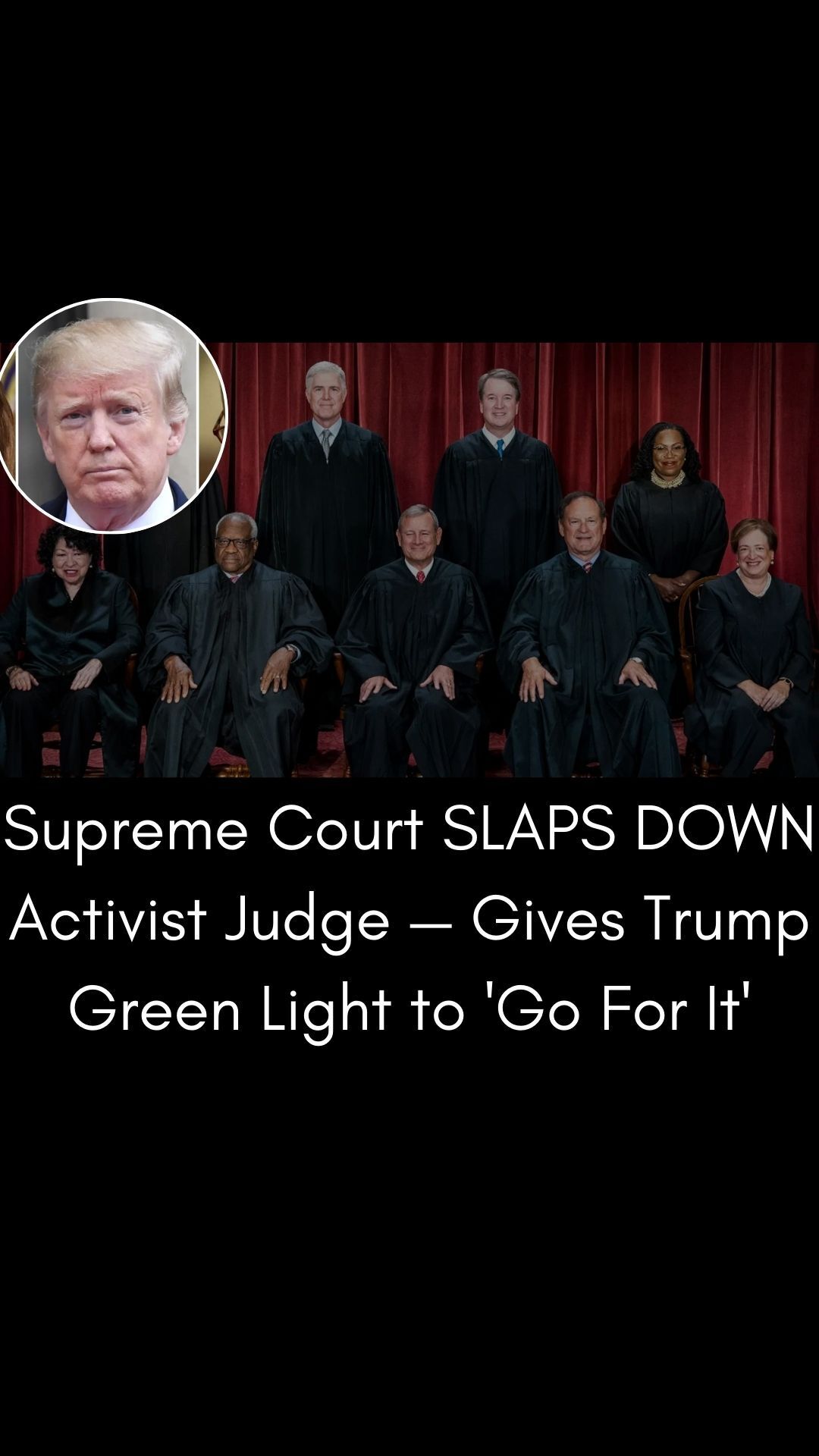
Chief Justice John Roberts on Tuesday temporarily paused a lower court ruling that would have required the Trump administration to spend billions of dollars in foreign aid by the end of the fiscal year, siding for now with President Donald Trump’s effort to freeze the funds.
In a short order, Roberts granted the administration’s request for an administrative stay, halting enforcement of a Sept. 3 decision by U.S. District Judge Amir Ali, a Biden appointee. Ali had ordered the administration to release roughly $5 billion in foreign aid, saying the executive branch must follow Congress’s appropriations laws unless lawmakers act to change them.
Roberts’ order buys the justices time to consider the merits of the administration’s appeal. He gave the aid groups challenging the freeze until noon Friday to respond. The stay is temporary and could be replaced later this week with a broader ruling from the Court.
At issue are billions of dollars Congress set aside last year for foreign aid, including U.N. peacekeeping and “democracy” promotion efforts. About $11 billion must be spent or obligated by Sept. 30, the end of fiscal year 2025, or else the funds will expire.
The Trump administration has argued that about $4 billion of the aid is “contrary to U.S. foreign policy” and should not be distributed. The president has pushed to claw back foreign assistance as part of his “America First” agenda and earlier this year began moving to dismantle much of the U.S. Agency for International Development (USAID), the government’s primary foreign aid agency.
Aid organizations sued over the freeze, contending the president was unlawfully overriding Congress’s “power of the purse.” In August, administration lawyers said they still intended to distribute $6.5 billion of the disputed funds. But the president has attempted to block another $4 billion through a budget maneuver known as a “pocket rescission.”
Under that process, a president can notify Congress near the end of the fiscal year of plans to withhold funds. If the notification comes too late for Congress to respond before the fiscal deadline, the funds effectively lapse. Trump sent such notice on Aug. 28.
The Justice Department argued in its appeal that Judge Ali’s ruling threatened the separation of powers by forcing the executive branch to spend funds against the president’s wishes.
“To have any hope of complying in time, the Executive Branch would have to immediately commence diplomatic discussions with foreign nations about the use of those funds—discussions the president considers counterproductive to foreign policy—and notify Congress about planned obligations that the president is strongly opposing,” Solicitor General John Sauer wrote in the administration’s application to the Court.
The lower court’s order “raises a grave and urgent threat to the separation of powers,” Sauer added.
The administration has maintained that presidents have broad discretion over how and when to implement appropriations laws, particularly when it comes to foreign relations. Opponents say Congress has ultimate authority over spending, regardless of the president’s policy views.
Russ Vought, director of the Office of Management and Budget, defended the administration’s use of the pocket rescission maneuver during remarks at the National Conservatism Conference in Washington on Sept. 3.
“We would never view that Congress doesn’t have the power of the purse, but the executive has the power to spend,” Vought said.
The case has drawn attention because of its potential impact on the balance of power between Congress and the executive branch. The dispute also comes amid broader efforts by the Trump administration to pare back U.S. involvement overseas, including major cuts to foreign aid programs.
Earlier this year, the administration prevailed in another funding dispute when a federal appeals court lifted a block on its plan to cancel $16 billion in climate grants.
Roberts’ order leaves the foreign aid money frozen until the Court takes further action. If the stay is lifted, the administration would have to begin distributing the funds quickly to avoid expiration at the end of the month.
For now, the justices are weighing whether to let Trump continue withholding the money as litigation continues.