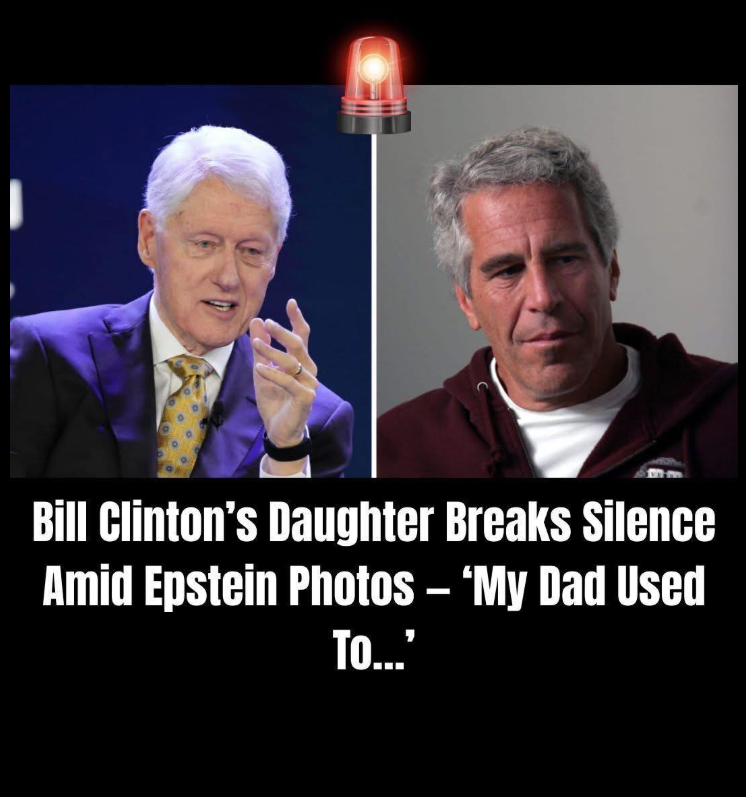
The fallout from the Department of Justice’s latest Epstein document release is spreading — and now it has reached deep into Bill Clinton’s inner circle.
Following the December 19 release of photos and documents under the Epstein Files Transparency Act, former President Bill Clinton’s deputy chief of staff, Angel Ureña, publicly lashed out at the Trump administration, accusing it of political motives and attempting to deflect attention away from Clinton’s appearance in newly released images tied to convicted sex trafficker Jeffrey Epstein.
The response came swiftly after the DOJ published a tranche of unclassified records, including photographs showing Clinton in social settings with Epstein and his longtime accomplice, Ghislaine Maxwell — materials that were released pursuant to legislation signed into law by President Donald Trump on November 19.
Clinton Aide Claims Release Is ‘Not About Bill Clinton’
Ureña took to X to issue a strongly worded statement, attempting to downplay Clinton’s presence in the Epstein files while accusing the Trump administration of acting in bad faith.
“The White House hasn’t been hiding these files for months only to dump them late on a Friday to protect Bill Clinton,” Ureña wrote.
“This is about shielding themselves from what comes next, or from what they’ll try and hide forever.”
He continued:
“So they can release as many grainy, 20-plus-year-old photos as they want, but this isn’t about Bill Clinton. Never has, never will be.”
The statement appeared designed to redirect scrutiny toward Trump — who also appears in some Epstein-related materials — while dismissing the significance of Clinton’s documented association with Epstein.
‘Two Types of People’ — A Convenient Line
Ureña further attempted to draw a moral distinction between individuals who had any interaction with Epstein prior to his public downfall and those who allegedly maintained relationships afterward.
“There are two types of people here,” Ureña claimed.
“The first group knew nothing and cut Epstein off before his crimes came to light. The second group continued relationships with him after. We’re in the first.”
That framing, however, raises immediate questions.
Public flight logs, photographs, and witness testimony have long established that Clinton maintained contact with Epstein well after concerns about Epstein’s behavior were circulating, including multiple documented trips aboard Epstein’s private jet — a point Clinton has never fully explained.
Photos Add Fuel to Longstanding Questions
Among the images released by the DOJ were photographs showing:
- Bill Clinton reclining in a hot tub, arms crossed behind his head
- Clinton wading through a pool alongside Ghislaine Maxwell and a woman whose face was redacted by authorities
- Clinton posing with Michael Jackson and Diana Ross
- Clinton seated next to a woman on a private plane wearing American flag-themed clothing
While Clinton has repeatedly denied wrongdoing and claimed he was unaware of Epstein’s criminal activities, the optics of these images — combined with previously disclosed flight records — have reignited public skepticism.
Transparency Law Forces DOJ’s Hand
The releases stem directly from the Epstein Files Transparency Act, which requires the Department of Justice to disclose all unclassified records related to Epstein’s investigation and prosecution.
The law was passed by Congress and signed by President Trump amid growing bipartisan pressure for transparency surrounding Epstein’s powerful network of associates.
Under the statute, the DOJ must release:
“All unclassified records, documents, communications, and investigative materials in its possession that relate to the investigation and prosecution of Jeffrey Epstein.”
That mandate left the department with little discretion over timing or content — despite criticism from Clinton allies that the release was politically motivated.
Friday Night Dump Sparks Familiar Complaints
Ureña’s complaint about a “late Friday” release echoes a familiar tactic used by political figures attempting to minimize media attention. Ironically, that argument has often been dismissed when used by Trump allies in similar situations.
The difference here is that Congress explicitly required the release by a statutory deadline, making claims of strategic timing less persuasive.
Clinton World on Defense
The unusually aggressive tone of Ureña’s response signals growing unease within Clinton’s orbit. While Clinton himself has remained silent since the release, the decision by a senior aide to publicly attack the administration suggests concern that further disclosures could follow.
Indeed, multiple outlets have reported that additional tranches of Epstein-related documents are expected, including victim testimony and sealed investigative materials that could implicate high-profile figures across political, media, and business circles.
Trump Admin Stands by Transparency Push
The Trump administration has maintained that the Epstein disclosures are part of a broader effort to restore public trust in federal institutions after years of secrecy surrounding Epstein’s connections.
Attorney General Pam Bondi has stated repeatedly that the DOJ will comply fully with the law and release materials “regardless of who they involve.”
The Bigger Picture
The Epstein scandal remains one of the most disturbing chapters in modern American history — not just because of the crimes themselves, but because of the extraordinary access Epstein had to power.
As more documents become public, the question is no longer whether prominent figures crossed paths with Epstein — but who knew what, and when.
For Bill Clinton, whose presidency was already marred by personal scandal, the renewed scrutiny is unlikely to fade anytime soon.
And judging by the defensive response from his former chief of staff, the Clinton camp knows it.