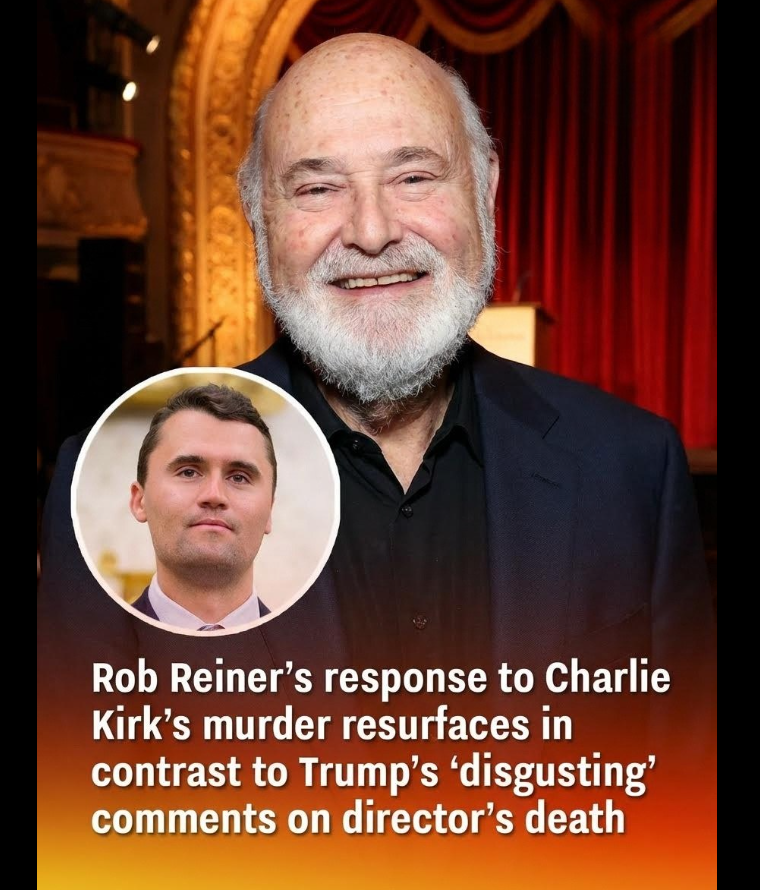
The sudden passing of acclaimed filmmaker Rob Reiner and his wife, Michele Singer Reiner, has sent shockwaves through Hollywood.
The entertainment industry, and the wider public, prompting an outpouring of grief, admiration, and reflection.
Known both for his groundbreaking contributions to cinema and his steadfast civic engagement, Reiner, along with Michele, left an indelible mark on American culture.
The couple was discovered deceased at their Los Angeles home, in what authorities have described as an unexpected and tragic loss.
Friends, colleagues, and fans alike have described the news as deeply affecting, highlighting not only the couple’s professional achievements but also their personal warmth, community involvement, and commitment to social causes.
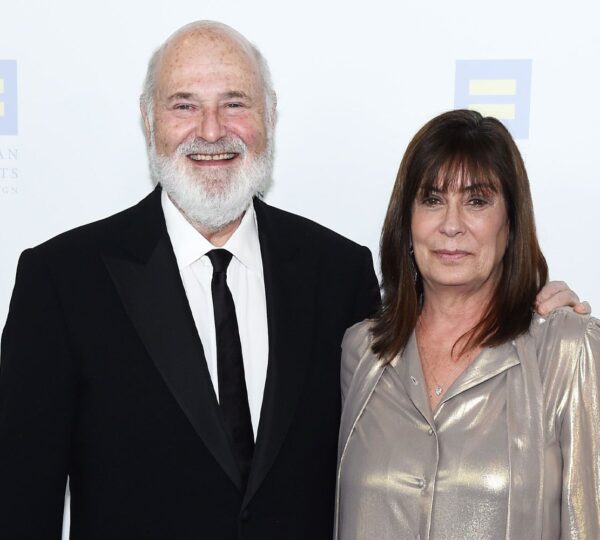
Rob Reiner, celebrated for directing iconic films such as When Harry Met Sally…, A Few Good Men, and The Princess Bride, was widely regarded as one of Hollywood’s most versatile filmmakers.
His career spanned decades, encompassing both acting and directing, as well as producing socially conscious documentaries and initiatives.
Beyond his cinematic accomplishments, Reiner was an outspoken advocate for civic responsibility, often using his platform to address political engagement, social justice, and the importance of empathy in public discourse.
Michele Singer Reiner, a prominent figure in her own right, was deeply involved in philanthropic work, including initiatives supporting education, the arts, and community development.
Together, the Reiners represented a unique combination of creative influence and social consciousness, making their sudden departure all the more impactful.
The announcement of their deaths quickly reverberated across media platforms, eliciting a range of reactions from public figures, fans, and commentators.
Many tributes focused on celebrating the Reiners’ contributions to culture and society, emphasizing the kindness, integrity, and creativity that characterized their lives.
Colleagues in Hollywood described Rob Reiner as a mentor and friend, recalling moments on set that reflected his professionalism, generosity, and unwavering commitment to storytelling.
Similarly, Michele Singer Reiner was remembered by peers and community leaders for her dedication to charitable causes and her ability to inspire collective action for social good.
However, the couple’s passing also highlighted the stark contrasts in public responses when tragedy strikes prominent figures.
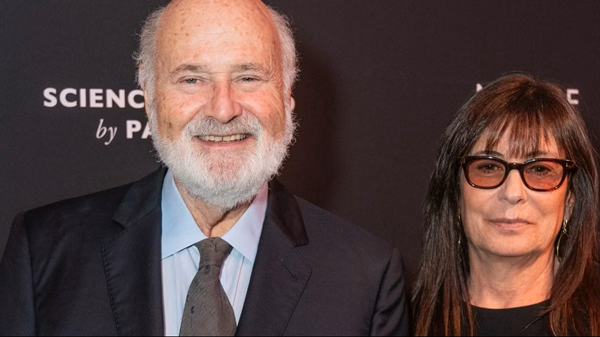
While the majority of reactions centered on condolences and respectful remembrance, some comments drew widespread criticism for insensitivity or political opportunism.
In particular, remarks posted by former President Donald Trump on social media were widely perceived as lacking empathy given the circumstances, sparking backlash from both political figures and the broader public.
Critics argued that moments of grief call for restraint, compassion, and acknowledgment of shared humanity, rather than confrontational or politically charged commentary.
The incident reignited debates about the role of public figures in shaping discourse during sensitive times, illustrating how tone and intent can dramatically influence public perception.
Amid these reactions, attention returned to a previously aired interview in which Reiner himself addressed issues of political violence, civility, and the responsibilities of public discourse.
In a resurfaced clip from Piers Morgan Uncensored, Reiner reflected on the killing of political activist Charlie Kirk earlier this year.
His response, marked by measured language and evident empathy, firmly rejected the notion of responding to ideological disagreements with violence.
Reiner emphasized that political differences, no matter how profound, should never override basic principles of humanity, kindness, and moral responsibility.
The clip has since gained renewed attention, with many observers noting that Reiner’s calm, principled stance offers a model for engagement in a highly polarized era.
The juxtaposition between Reiner’s reasoned words and the more confrontational or insensitive remarks from others has sparked broader discussions about leadership, empathy, and the social responsibility of those with public platforms.
Many commentators have highlighted that how individuals respond to tragedy reveals as much about their character as the events themselves.
In this context, Rob Reiner’s reflections are seen not merely as commentary but as an enduring example of restraint, civility, and moral clarity.
Supporters argue that his perspective underscores the importance of prioritizing compassion over partisanship, a principle that resonates particularly strongly during moments of collective mourning.
Beyond the political discourse, the Reiners’ passing has prompted an extensive reflection on their personal and professional legacies.
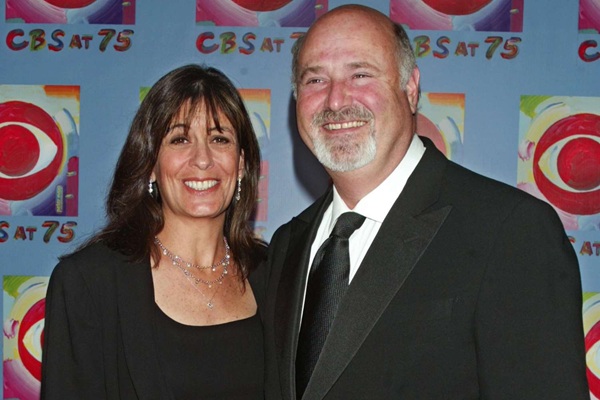
Rob Reiner’s films are widely celebrated for their ability to balance entertainment with insightful social commentary, often exploring themes of justice, morality, and human connection.
From his early acting days on All in the Family to his acclaimed directorial work, Reiner’s career was defined by a commitment to storytelling that resonated with audiences across generations.
Michele Singer Reiner’s work, both in the arts and in community service, complemented this legacy, emphasizing the importance of active participation in civic life and the transformative power of philanthropy.
Together, the couple exemplified how personal values can intersect with professional achievements to create lasting societal impact.
Community leaders and institutions have responded to the tragedy by organizing memorials, tributes, and public discussions aimed at honoring the Reiners’ contributions.
Vigils have been held across Los Angeles, with attendees sharing stories of inspiration, mentorship, and kindness.
These gatherings have not only provided an outlet for communal grief but have also reinforced the couple’s enduring influence, reminding participants that legacies are measured not only by professional accomplishments but by the positive impact one leaves on others’ lives.
In parallel, the incident has sparked renewed debate about the responsibilities of public communication during moments of tragedy.
Media analysts have noted that the contrasting reactions to the Reiners’ deaths serve as a case study in the ethics of public engagement.
While some responses highlighted compassion, others underscored the dangers of politicizing grief or using personal loss as a platform for ideological expression.

Discussions in news outlets, podcasts, and social media forums have emphasized the importance of tone, empathy, and reflection, suggesting that measured responses can foster a sense of shared humanity and stability even amid societal tensions.
Experts in psychology and social behavior have weighed in, noting that public reactions to loss are influenced by multiple factors, including emotional state, political affiliation, and personal values.
They suggest that leaders and prominent voices carry a particular responsibility to model appropriate behavior during such moments, as their words can amplify either empathy or division.
Reiner’s measured approach, expressed months before his passing, is cited as a poignant example of the lasting impact that thoughtful communication can have on public perception and collective healing.
As Hollywood and the public continue to process the deaths of Rob and Michele Reiner, there is a growing desire to focus on remembrance rather than controversy.
Tributes from actors, directors, producers, and community figures have highlighted shared values of creativity, integrity, and human decency.
Fans and admirers alike have turned to the Reiners’ body of work as a source of solace, inspiration, and reflection, revisiting films, interviews, and public initiatives that underscore the couple’s enduring influence on culture and society.
The story of Rob and Michele Reiner serves as a multi-faceted reminder of the fragility of life, the power of public influence, and the responsibility that accompanies visibility.
Their passing demonstrates how deeply the lives of public figures intersect with collective consciousness, sparking both celebration of achievement and reflection on broader societal values.
It also underscores that in an era often marked by polarization, moments of grief can reveal profound contrasts in human response—offering lessons on the importance of empathy, compassion, and moral clarity.
In conclusion, the deaths of Rob Reiner and Michele Singer Reiner represent not only a personal tragedy for their family and close associates but also a cultural moment that has stimulated widespread reflection.
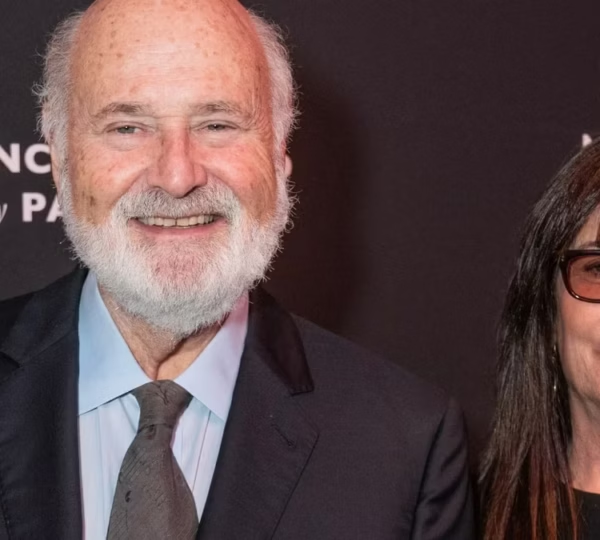
The couple’s legacy—through film, civic engagement, and personal example—provides a lasting blueprint for creativity, integrity, and empathy.
While discussions about political tone and public reaction continue, there remains a shared consensus that their lives should be celebrated for the impact they had on countless individuals and communities.
In honoring the Reiners, both through remembrance and thoughtful dialogue, society is reminded of the enduring power of compassion, principled engagement, and the ways in which public voices can shape collective understanding during times of loss.
The sudden passing of acclaimed filmmaker Rob Reiner and his wife, Michele Singer Reiner, has sent shockwaves through Hollywood.
The entertainment industry, and the wider public, prompting an outpouring of grief, admiration, and reflection.
Known both for his groundbreaking contributions to cinema and his steadfast civic engagement, Reiner, along with Michele, left an indelible mark on American culture.
The couple was discovered deceased at their Los Angeles home, in what authorities have described as an unexpected and tragic loss.
Friends, colleagues, and fans alike have described the news as deeply affecting, highlighting not only the couple’s professional achievements but also their personal warmth, community involvement, and commitment to social causes.
Rob Reiner, celebrated for directing iconic films such as When Harry Met Sally…, A Few Good Men, and The Princess Bride, was widely regarded as one of Hollywood’s most versatile filmmakers.
His career spanned decades, encompassing both acting and directing, as well as producing socially conscious documentaries and initiatives.
Beyond his cinematic accomplishments, Reiner was an outspoken advocate for civic responsibility, often using his platform to address political engagement, social justice, and the importance of empathy in public discourse.
Michele Singer Reiner, a prominent figure in her own right, was deeply involved in philanthropic work, including initiatives supporting education, the arts, and community development.
Together, the Reiners represented a unique combination of creative influence and social consciousness, making their sudden departure all the more impactful.
The announcement of their deaths quickly reverberated across media platforms, eliciting a range of reactions from public figures, fans, and commentators.
Many tributes focused on celebrating the Reiners’ contributions to culture and society, emphasizing the kindness, integrity, and creativity that characterized their lives.
Colleagues in Hollywood described Rob Reiner as a mentor and friend, recalling moments on set that reflected his professionalism, generosity, and unwavering commitment to storytelling.
Similarly, Michele Singer Reiner was remembered by peers and community leaders for her dedication to charitable causes and her ability to inspire collective action for social good.
However, the couple’s passing also highlighted the stark contrasts in public responses when tragedy strikes prominent figures.
While the majority of reactions centered on condolences and respectful remembrance, some comments drew widespread criticism for insensitivity or political opportunism.
In particular, remarks posted by former President Donald Trump on social media were widely perceived as lacking empathy given the circumstances, sparking backlash from both political figures and the broader public.
Critics argued that moments of grief call for restraint, compassion, and acknowledgment of shared humanity, rather than confrontational or politically charged commentary.
The incident reignited debates about the role of public figures in shaping discourse during sensitive times, illustrating how tone and intent can dramatically influence public perception.
Amid these reactions, attention returned to a previously aired interview in which Reiner himself addressed issues of political violence, civility, and the responsibilities of public discourse.
In a resurfaced clip from Piers Morgan Uncensored, Reiner reflected on the killing of political activist Charlie Kirk earlier this year.
His response, marked by measured language and evident empathy, firmly rejected the notion of responding to ideological disagreements with violence.
Reiner emphasized that political differences, no matter how profound, should never override basic principles of humanity, kindness, and moral responsibility.
The clip has since gained renewed attention, with many observers noting that Reiner’s calm, principled stance offers a model for engagement in a highly polarized era.
The juxtaposition between Reiner’s reasoned words and the more confrontational or insensitive remarks from others has sparked broader discussions about leadership, empathy, and the social responsibility of those with public platforms.
Many commentators have highlighted that how individuals respond to tragedy reveals as much about their character as the events themselves.
In this context, Rob Reiner’s reflections are seen not merely as commentary but as an enduring example of restraint, civility, and moral clarity.
Supporters argue that his perspective underscores the importance of prioritizing compassion over partisanship, a principle that resonates particularly strongly during moments of collective mourning.
Beyond the political discourse, the Reiners’ passing has prompted an extensive reflection on their personal and professional legacies.
Rob Reiner’s films are widely celebrated for their ability to balance entertainment with insightful social commentary, often exploring themes of justice, morality, and human connection.
From his early acting days on All in the Family to his acclaimed directorial work, Reiner’s career was defined by a commitment to storytelling that resonated with audiences across generations.
Michele Singer Reiner’s work, both in the arts and in community service, complemented this legacy, emphasizing the importance of active participation in civic life and the transformative power of philanthropy.
Together, the couple exemplified how personal values can intersect with professional achievements to create lasting societal impact.
Community leaders and institutions have responded to the tragedy by organizing memorials, tributes, and public discussions aimed at honoring the Reiners’ contributions.
Vigils have been held across Los Angeles, with attendees sharing stories of inspiration, mentorship, and kindness.
These gatherings have not only provided an outlet for communal grief but have also reinforced the couple’s enduring influence, reminding participants that legacies are measured not only by professional accomplishments but by the positive impact one leaves on others’ lives.
In parallel, the incident has sparked renewed debate about the responsibilities of public communication during moments of tragedy.
Media analysts have noted that the contrasting reactions to the Reiners’ deaths serve as a case study in the ethics of public engagement.
While some responses highlighted compassion, others underscored the dangers of politicizing grief or using personal loss as a platform for ideological expression.
Discussions in news outlets, podcasts, and social media forums have emphasized the importance of tone, empathy, and reflection, suggesting that measured responses can foster a sense of shared humanity and stability even amid societal tensions.
Experts in psychology and social behavior have weighed in, noting that public reactions to loss are influenced by multiple factors, including emotional state, political affiliation, and personal values.
They suggest that leaders and prominent voices carry a particular responsibility to model appropriate behavior during such moments, as their words can amplify either empathy or division.
Reiner’s measured approach, expressed months before his passing, is cited as a poignant example of the lasting impact that thoughtful communication can have on public perception and collective healing.
As Hollywood and the public continue to process the deaths of Rob and Michele Reiner, there is a growing desire to focus on remembrance rather than controversy.
Tributes from actors, directors, producers, and community figures have highlighted shared values of creativity, integrity, and human decency.
Fans and admirers alike have turned to the Reiners’ body of work as a source of solace, inspiration, and reflection, revisiting films, interviews, and public initiatives that underscore the couple’s enduring influence on culture and society.
The story of Rob and Michele Reiner serves as a multi-faceted reminder of the fragility of life, the power of public influence, and the responsibility that accompanies visibility.
Their passing demonstrates how deeply the lives of public figures intersect with collective consciousness, sparking both celebration of achievement and reflection on broader societal values.
It also underscores that in an era often marked by polarization, moments of grief can reveal profound contrasts in human response—offering lessons on the importance of empathy, compassion, and moral clarity.
In conclusion, the deaths of Rob Reiner and Michele Singer Reiner represent not only a personal tragedy for their family and close associates but also a cultural moment that has stimulated widespread reflection.
The couple’s legacy—through film, civic engagement, and personal example—provides a lasting blueprint for creativity, integrity, and empathy.
While discussions about political tone and public reaction continue, there remains a shared consensus that their lives should be celebrated for the impact they had on countless individuals and communities.
In honoring the Reiners, both through remembrance and thoughtful dialogue, society is reminded of the enduring power of compassion, principled engagement, and the ways in which public voices can shape collective understanding during times of loss.